


A Time to Kill
1996 · 147 min.
Review
Machine-translated from Danish.
A Time to Kill is set in the South, where racial hatred still exists but is well hidden. It flares up in the film when two sloshed, nasty white-trash guys are thoroughly gunned down by a black man whose 10-year-old daughter the men have raped and tortured. The father, Carl Lee Hailey, does not believe in the triumph of justice where black and white are concerned, so he takes the law into his own hands.
The film's real protagonist is the young defence lawyer Jake Brigance, who agrees to defend Carl Lee Hailey. It comes at a great cost to Jake, not least in his relationship with his family, who have to leave town for fear of the Ku Klux Klan's brutal intimidation methods. Towards the end of the case it is approaching open war between the racists and the civil rights campaigners in the small Southern town.
Together with Carl Lee Hailey, the film asks whether he would have been acquitted without further ado had he been white and the rapists black. Jake Brigance nevertheless gets Carl Lee acquitted, well helped by the bright law student Ellen Roark and one of the most nauseating closing arguments in American courtroom dramas I have ever witnessed. It was only later that I was moved to tears.
A Time to Kill is a well-acted and well-told story. There is not much new under the sun, and it teems with clichés, but its entertainment value cannot be denied. The film's dilemma is that no matter what verdict the jury had reached, the outcome would have been unsatisfactory. Had Carl Lee been convicted, the racists would have won, but as it is, it looks like positive discrimination and a tribute to vigilantism. That is also the film's problem.
Cast and crew
Directed by
Written by
Music
Cast
-
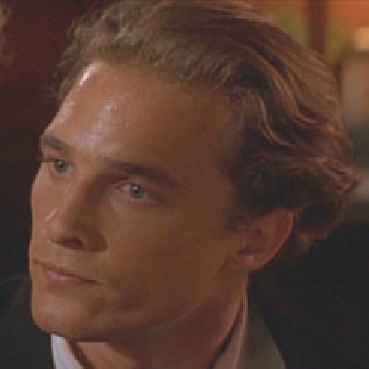 Matthew McConaughey
Jake Brigance
-
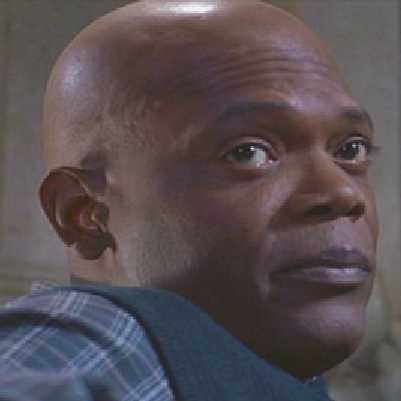 Samuel L. Jackson
Carl Lee Hailey
-
 Sandra Bullock
Ellen Roark
-
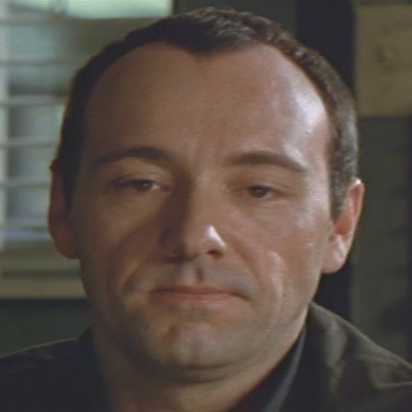 Kevin Spacey
Rufus Buckley
-
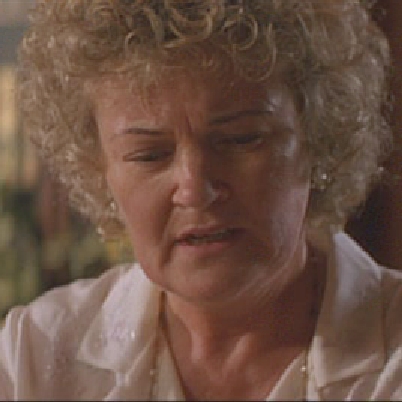 Brenda Fricker
Ethel Twitty
-
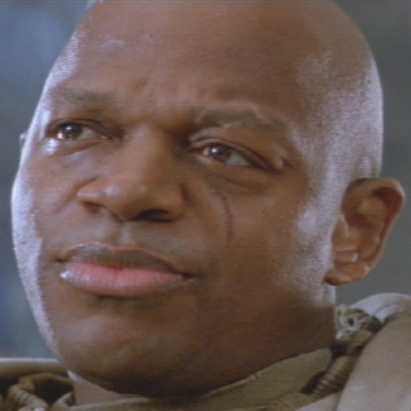 Charles S. Dutton
Sherif Ossie Wells
-
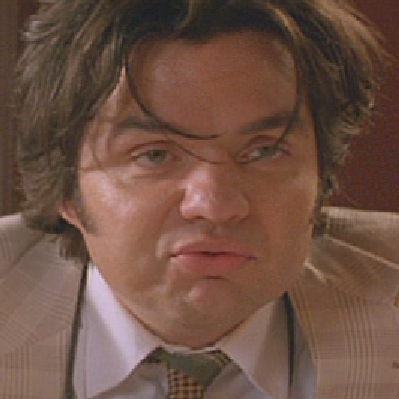 Oliver Platt
Harry Rex
-
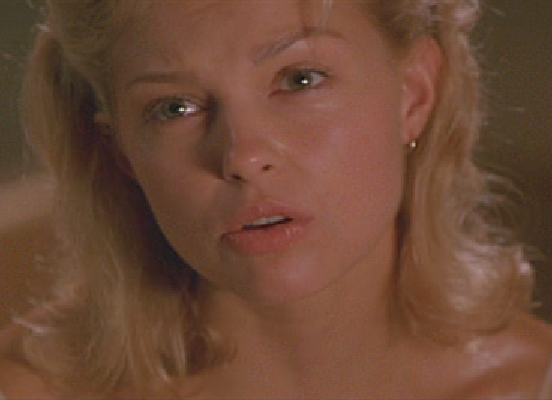 Ashley Judd
Carla Brigance
-
 Donald Sutherland
Lucien
-
 Patrick McGoohan
Judge Omar Noose
-
 Chris Cooper
Dwayne
- K Kurtwood Smith Stump Sisson
-
 Kiefer Sutherland
Freddie Cobb
-
 M. Emmet Walsh
Doctor Willard Tyrell Bass
-
 Anthony Heald
Doctor Rodeheaver